
Medical equipment—such as hospital beds, diagnostic tools, mobile carts, and IV stands—operates in sterile, sensitive, and fast-paced environments. Unlike industrial or furniture wheels, medical casters are subjected to strict hygiene, noise, and safety standards. Selecting the wrong casters can compromise patient comfort, damage expensive equipment, or increase the strain on healthcare workers. Here is a comprehensive guide to help you choose the right casters for modern healthcare settings.
1. Sanitation, Hygiene, and Materials
Hospitals must maintain ultra-hygienic environments. Casters used on diagnostic equipment and mobile trolleys must resist chemical sanitizers, hospital-grade cleaning solutions, and constant washdowns without rusting or deteriorating.
Thermoplastic Rubber (TPR) and Thermoplastic Polyurethane (TPU) are ideal wheel tread materials. They offer excellent chemical resistance, operate smoothly, and crucially, are non-marking. In environments with sensitive electronics, choosing anti-static or conductive wheels is vital to prevent static buildup that could interfere with patient monitoring systems.

2. Squeak-Free and Smooth Mobility
A quiet healing environment is essential for patient recovery. Squeaking or rattling wheels on medication carts or hospital beds can disrupt patient sleep and increase hospital noise levels.
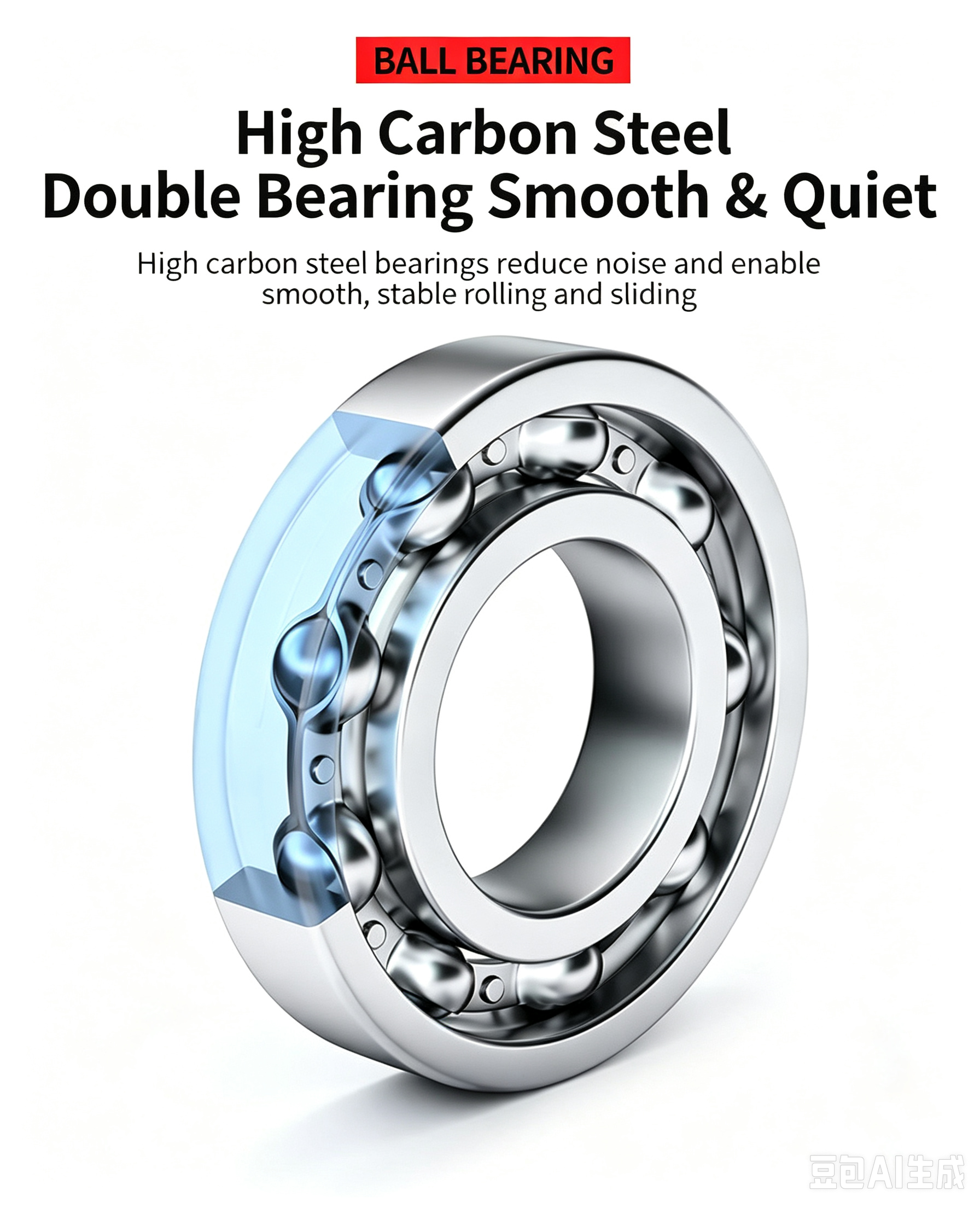
To ensure quiet operations, high-quality medical casters use sealed precision ball bearings in both the swivel head and the wheel core. This design prevents hair, dust, and cleaning chemicals from entering the mechanism, maintaining lowrolling resistance and squeak-free mobility over years of service.
3. Advanced Braking and Locking Systems
Safety is non-negotiable when dealing with patient beds, ultrasound machines, or heavy surgical tables. Healthcare workers need the ability to lock equipment quickly and securely in emergency situations.
Two main locking options are common:
• Total Lock Brakes: This system locks both the wheel rotation and the swivel head rotation simultaneously, converting a mobile bed into a rock-solid, stationary platform.
• Directional Locks: Ideal for long corridors. Locking the swivel action of rear wheels allows a single nurse to steer a heavy bed in a straight line easily, without sideways drifting.
4. Load Capacity and Twin-Wheel Design
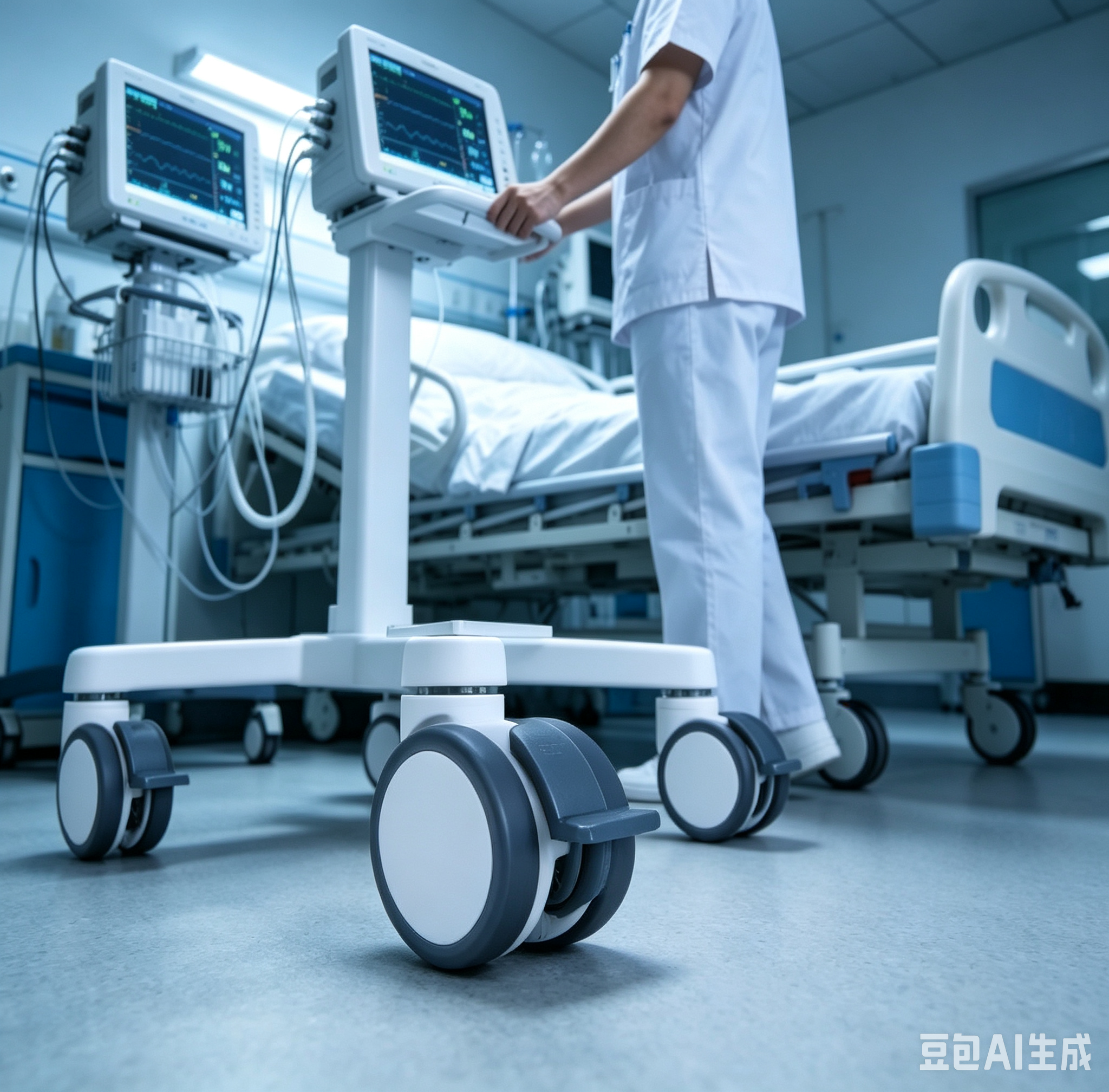
While an IV stand is light, high-tech diagnostic machines, surgical lasers, and bariatric beds can weigh hundreds of kilograms. The casters must support these heavy payloads without developing "flat spots" when stationary for long periods.
For heavy medical tools, twin-wheel designs are highly popular. By distributing the load across two separate wheels, they provide a lower profile, higher stability, and make swiveling much easier with less manual effort, reducing fatigue and injury risks for healthcare staff.
Conclusion
Selecting the right medical caster involves finding a careful balance between load capacity, maneuverability, sound dampening, and chemical resistance. At Sumatic, we manufacture our medical casters under a certified ISO 9001:2015 system. By utilizing premium materials like anti-static synthetic elastomers, sealed bearings, and central-locking engineering, we help OEMs and medical equipment distributors find reliable, compliant solutions for the most demanding healthcare environments.
Release Date: August 2026